
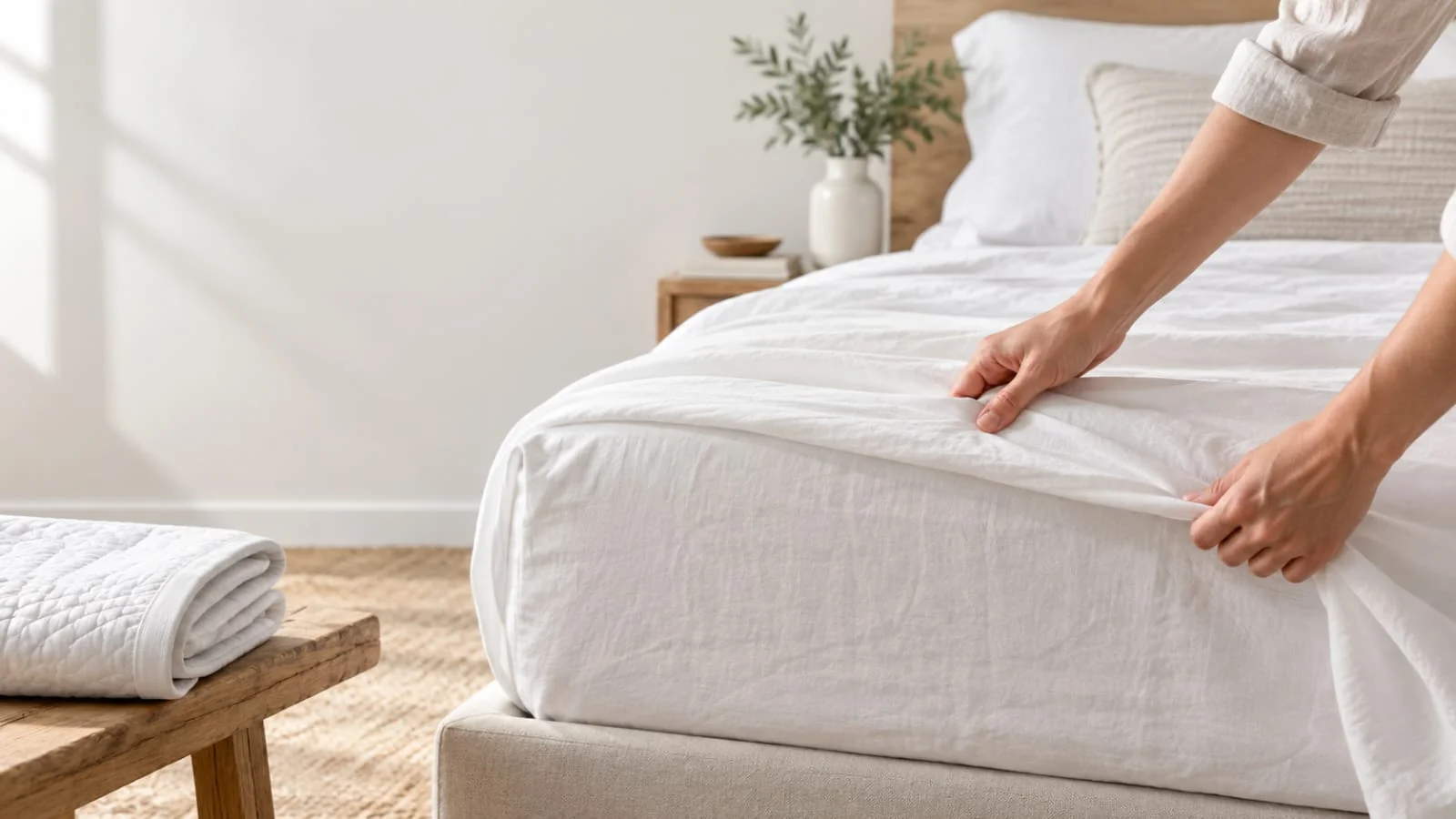
A quality mattress is an investment in everyday comfort. It supports you during the night, helps make your bedroom more inviting, and contributes to the way you feel when you start each morning. Like any important item in your home, it needs a little care to stay fresh, supportive, and comfortable over time. The good news is that mattress care does not have to be difficult. A few simple habits can help protect your mattress and preserve its comfort for years.
The first and most useful step is to use a mattress protector. A good protector creates a helpful barrier between the mattress and everyday life. It can help reduce exposure to dust, accidental spills, perspiration, and everyday moisture. This is especially valuable in homes with children, pets, or humid weather conditions. Choose a protector that feels breathable and fits the mattress properly. It should lie smoothly on the surface without bunching up or making the bed feel uncomfortable.
Changing and washing bed sheets regularly is another important part of mattress care. Fresh sheets make the bed feel cleaner and more welcoming, but they also help reduce the amount of dust and body oils that settle close to the mattress surface. The frequency will depend on your household and personal habits, but washing sheets every one or two weeks is a practical routine for many homes. Pillowcases may need more frequent washing, especially during warmer months.
Ventilating the mattress can also be helpful. Each morning, pull back the blanket or duvet for a short while before making the bed. This gives the surface time to air out naturally. If possible, allow fresh air into the bedroom by opening windows for a few minutes. A well-ventilated bedroom feels fresher overall and helps create a pleasant sleep environment. You do not need to leave the mattress uncovered all day; even a brief period of airflow can become a useful part of your morning routine.
Rotating your mattress is another simple way to encourage more even use. Over time, we tend to sleep in the same areas of the bed, and a mattress receives more pressure around the shoulders and hips. Rotating it from head to foot every few months can help distribute that pressure more evenly. Always check the care instructions provided for your specific mattress, because some mattress designs are intended to be used in one direction only. If your mattress is not designed to be flipped, do not flip it. Rotation, rather than turning it upside down, is usually the recommended approach for many modern mattresses.
Your bed base matters too. A mattress needs a strong, stable, properly sized foundation. If the bed frame is uneven, damaged, or too small, the mattress may not get the support it needs. Check occasionally that the frame, slats, and centre support are secure. A stable bed base helps the mattress remain level and comfortable, while also reducing unwanted noise or movement. If you are changing mattress sizes, make sure your bed frame is compatible before placing the new mattress on it.
Cleaning should be gentle and practical. For regular upkeep, use the upholstery attachment of a vacuum cleaner over the mattress surface to remove loose dust. This can be done every few months or whenever you change your bedding. If there is a small spill, act quickly. Blot the area gently with a clean cloth rather than rubbing it, which can spread the moisture deeper into the fabric. Avoid soaking the mattress or using strong cleaning products unless the mattress care label specifically recommends them. Too much moisture can be difficult to dry completely.
A mattress should also be protected from unnecessary weight and rough use. While it may be tempting for children to jump on the bed, repeated impact can put stress on the materials and structure. Avoid standing on the mattress, folding it sharply, or placing extremely heavy items on one area for a long period. Your mattress is built for restful sleeping, sitting, and relaxing—not for rough handling.
The climate in your bedroom can affect how fresh the mattress feels. During humid weather, keep the room well ventilated when possible. Use fans, air conditioning, or moisture-control methods that suit your home. If the mattress ever feels damp, remove the bedding and let the room air out before using it again. Keeping the sleeping area dry and fresh is one of the simplest ways to make your bed feel more comfortable.
It is also useful to know when mattress care is no longer enough. Even a well-maintained mattress naturally changes over time. If you notice sagging, lumps, deep impressions, damaged edges, or a consistent loss of comfort, it may be time to consider a replacement. Another sign is waking up feeling less rested or sleeping noticeably better on another bed. A mattress should make your body feel supported, not leave you searching for a comfortable position all night.
Caring for your mattress is ultimately about caring for your sleep. Protect it, keep it clean, use the right foundation, and give it the attention it deserves. These easy habits can help maintain the comfortable, fresh feeling you loved when the mattress was new. At Wings Mattress, we believe a great night’s sleep should continue long after the day you bring your mattress home.
