
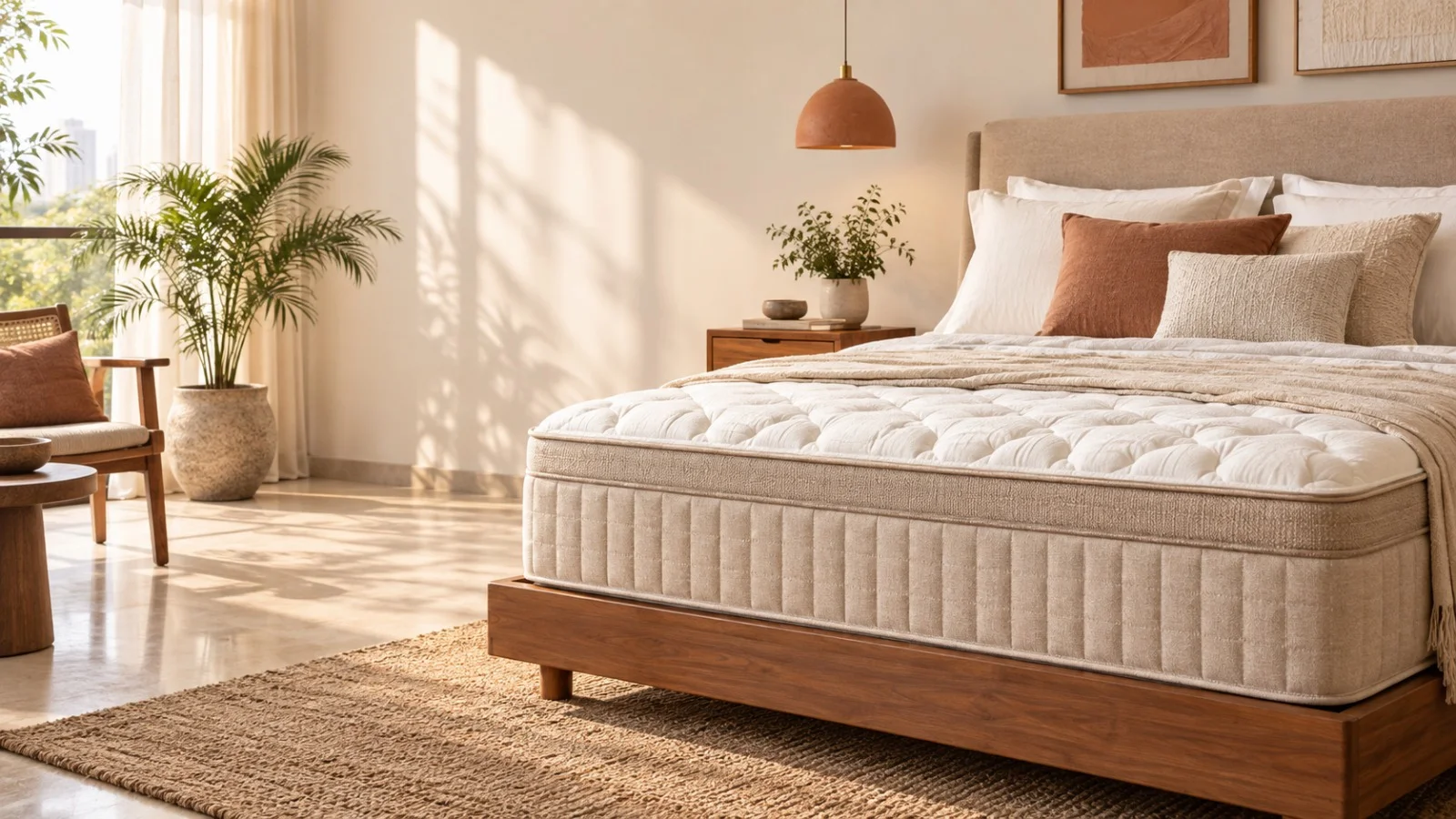
Choosing a new mattress is one of the most important comfort decisions you can make for your home. We spend a significant part of our lives sleeping, resting, reading, or simply relaxing on a bed, yet many people choose a mattress based only on price, appearance, or a quick first impression. The material inside a mattress plays a major role in how it feels, how it supports your body, how well it handles movement, and how comfortable it remains over time.
There is no single mattress material that is perfect for everyone. The best choice depends on your sleeping position, body type, whether you sleep alone or with a partner, the temperature of your bedroom, and the kind of comfort you enjoy. Some people love a soft, contouring surface, while others feel best on a firmer mattress that gives them a stable, supportive feel. Understanding the most common mattress materials makes it easier to choose confidently.
Foam mattresses are popular because they can offer a smooth, cushioned sleeping surface. High-quality foam responds to body weight and helps spread pressure more evenly across the mattress. This can make the bed feel especially comfortable around areas such as the shoulders and hips. Foam mattresses are often appreciated by side sleepers, who may prefer a little more cushioning where their body makes the most contact with the bed.
One advantage of foam is that it can reduce the effect of movement across the mattress. If you share a bed with someone who turns, changes positions, or gets up earlier than you do, a foam-based mattress may help you feel less disturbance. This makes it a practical choice for couples with different schedules. Modern foam mattresses may also include breathable designs or comfort layers intended to make the surface feel fresher during the night.
Memory foam is a type of foam known for its body-contouring feel. When you lie on it, it gently responds to your shape and can create a cradling sensation. Some people enjoy this close, pressure-relieving comfort, particularly if they prefer a mattress that feels soft and supportive at the same time. Others may prefer a more responsive surface that feels easier to move around on. The key is to think about your personal comfort preference rather than choosing a material only because it is popular.
Latex mattresses are another option often considered by people looking for a responsive and naturally buoyant feel. Latex tends to feel more springy than memory foam, meaning it can provide cushioning without the deeper “sink-in” sensation. Many sleepers appreciate the combination of support and easy movement. Latex can also be valued for its breathable structure, which may suit people who prefer a cooler-feeling sleep surface. As with every material, the overall comfort will depend on the mattress construction, thickness, and firmness level.
Spring mattresses have been a familiar choice in bedrooms for generations. They use a system of coils or springs to create support. Traditional spring mattresses can feel responsive and sturdy, and many people enjoy the familiar bounce they provide. The quality of the spring system matters greatly. A well-designed mattress with individually supported coils can offer better comfort and may reduce the transfer of movement from one side of the bed to the other.
Pocket spring mattresses are a more refined version of traditional spring designs. In these mattresses, the individual springs are often enclosed separately, allowing them to respond more independently to pressure. This can provide targeted support across different areas of the body while helping reduce the impact of a partner’s movement. For couples, this type of mattress may offer a balance between the supportive feel of springs and a more peaceful shared sleeping experience.
Hybrid mattresses combine more than one material, often pairing a spring support system with foam, latex, or other comfort layers. This approach can offer the benefits of different materials in one mattress. For example, a hybrid mattress may provide the support and airflow associated with springs along with the cushioning feel of foam. Hybrid options can be a good choice for sleepers who want a balanced feel and do not want to choose between a firmer support base and a softer top layer.
The top layer of a mattress is just as important as the core material. This is the part you feel first when you lie down. A quilted or cushioned top can make the mattress feel more luxurious, while a firmer top may be preferred by people who like a stable surface. Some mattresses include multiple comfort layers to create a gradual transition from the soft upper surface to the supportive base underneath. This layered design can make the bed feel comfortable without sacrificing support.
Breathability is another important consideration, particularly in warmer climates. A mattress that allows better airflow can help create a fresher sleep environment. Materials, fabric covers, and internal design all contribute to how warm or cool a mattress may feel. Pairing your mattress with breathable cotton sheets, lightweight blankets, and good ventilation in the bedroom can further improve comfort.
Your usual sleeping position should guide your decision. Side sleepers often prefer cushioning around the shoulders and hips. Back sleepers may like a balanced medium or medium-firm surface that supports the lower back. Stomach sleepers often feel more comfortable on a firmer mattress that keeps the body from sinking too deeply. If you change positions during the night, a medium-feel mattress with responsive support may be a versatile option.
Finally, remember that the best mattress material is the one that suits your everyday life. Consider how the bed feels, how much support you need, whether you share it with someone, and how you want to feel when you wake up. A mattress is not only a piece of bedroom furniture; it is the foundation of your rest. At Wings Mattress, we believe that understanding materials helps every customer choose a mattress that feels as good at night as it does in the morning.
